Virginia bersabé
Heiligenstädterstraße 79, 1190 Wien │18.05.-22.05.2026
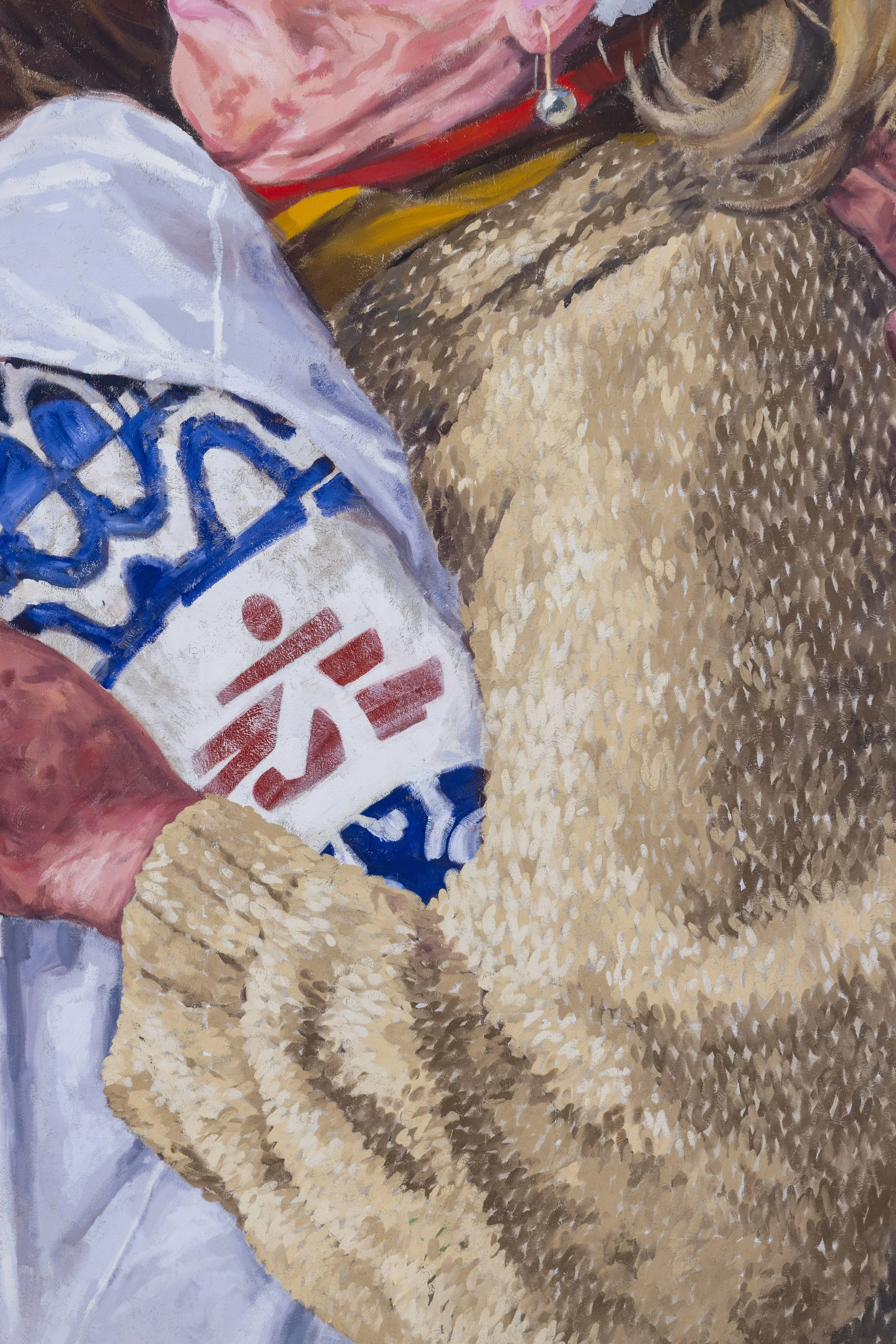
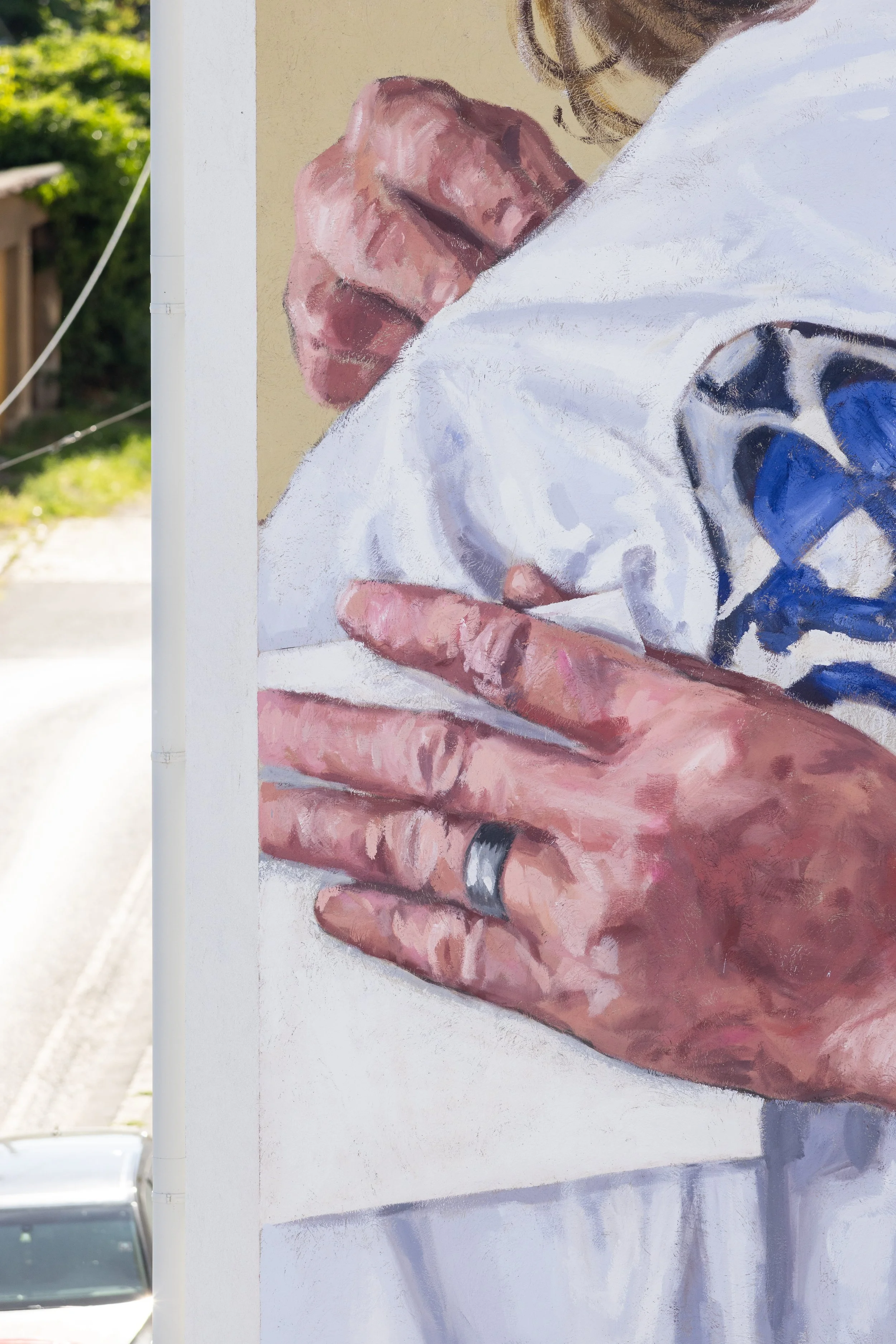
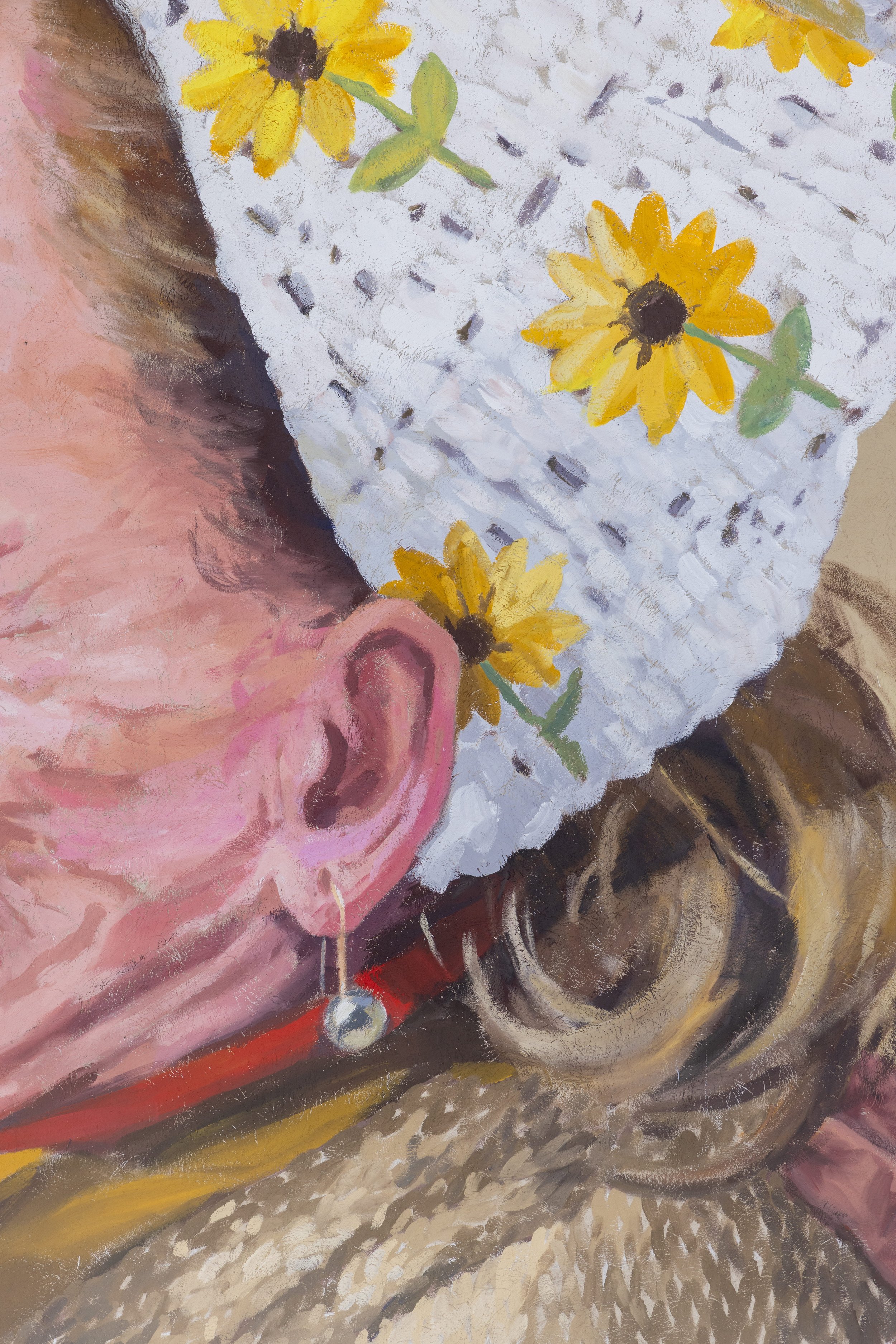
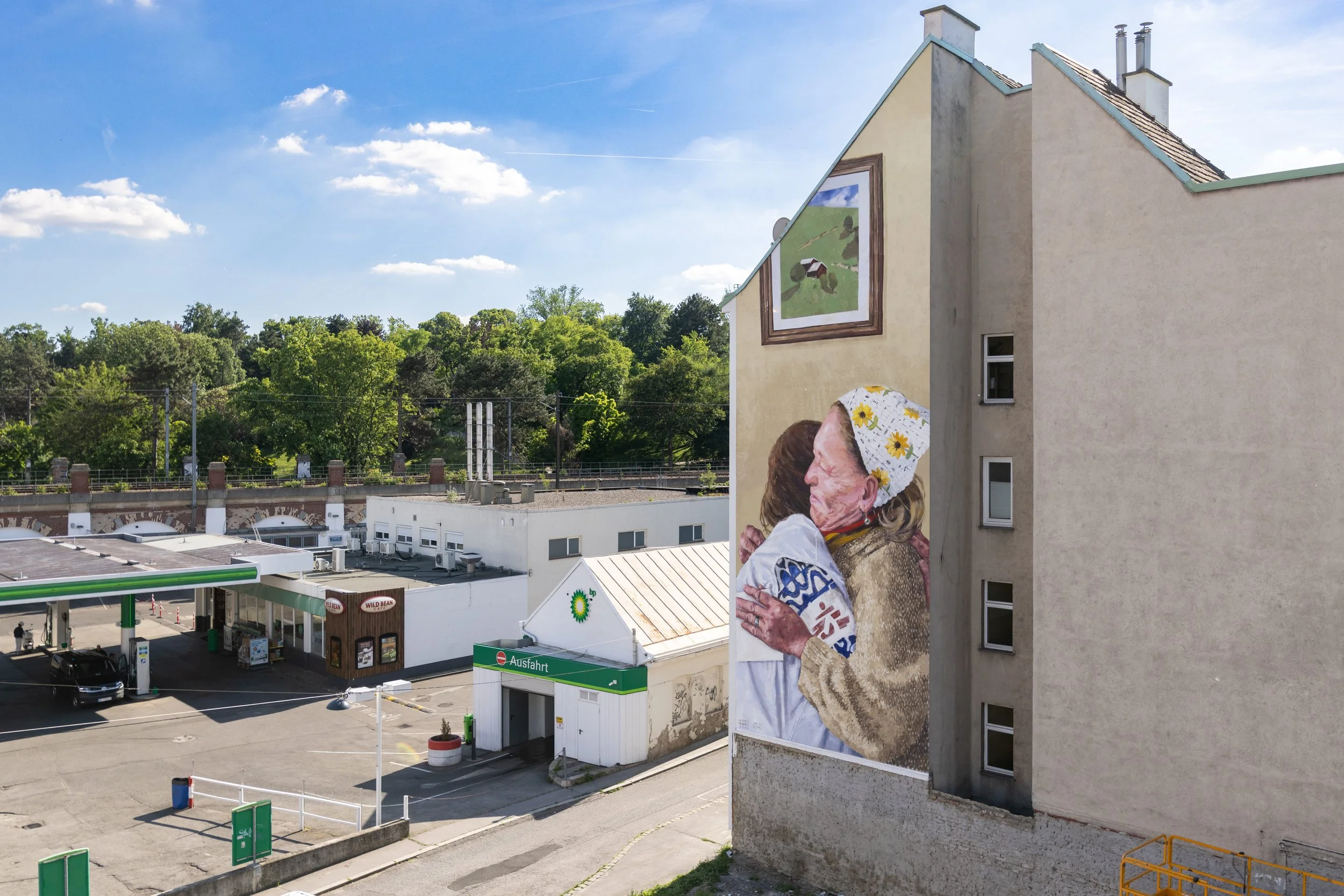
Wall descripition
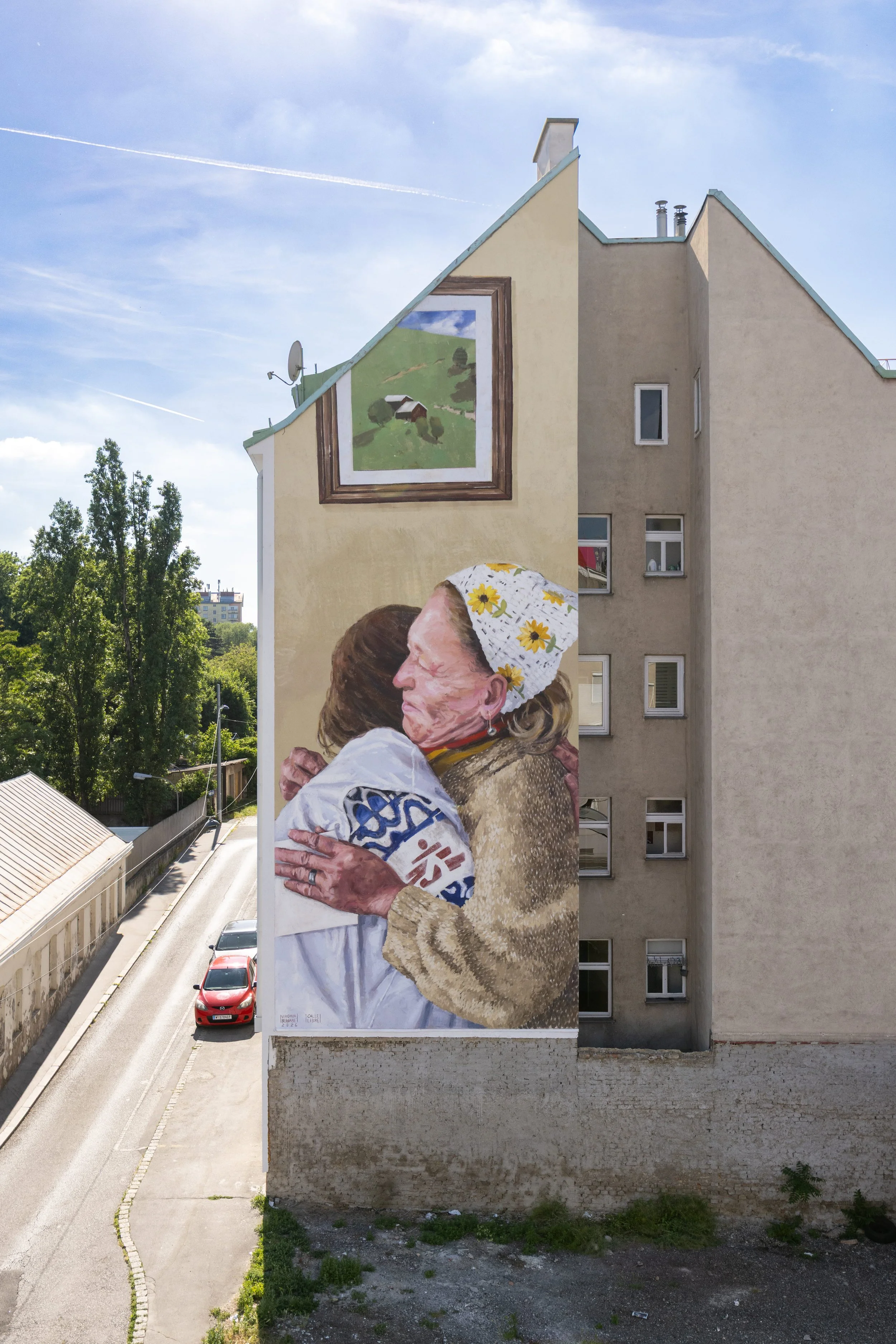
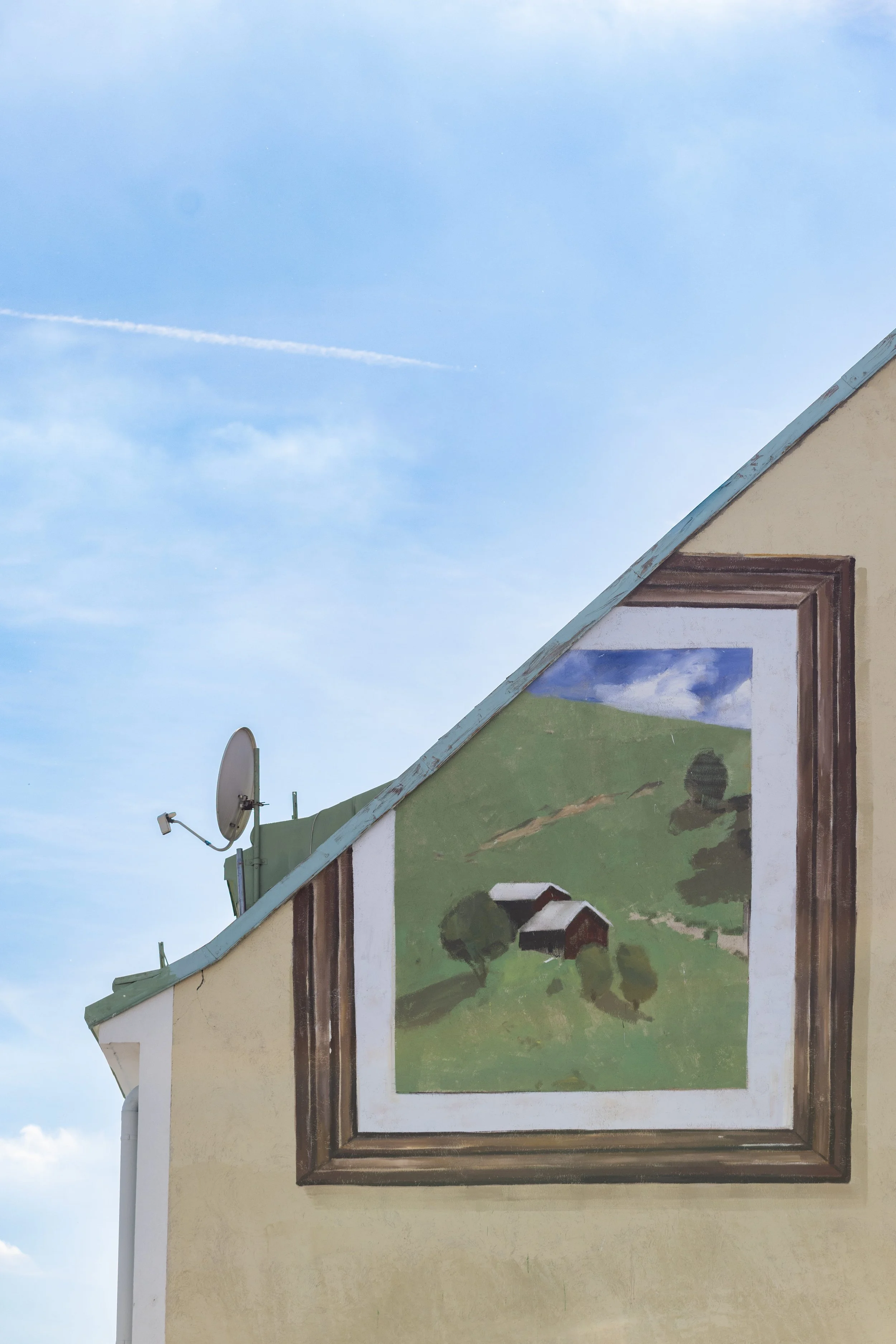
Wall title: Hold and Home
“Older people often inhabit the margins of the visible. They walk along the streets, sit on park benches, wait in waiting rooms… and yet, far too often, society looks right through them. This mural is born from the desire to bring them back into the foreground. In Equality proposes a double gaze: that of rights and that of bonds. Because equality is not only a matter of access - to healthcare, to culture, to civic participation - but also of recognition. Of treating a long life with the same dignity as any other. At the same time, the mural reclaims the value of mutual care, of the community that holds us up, of the hands that accompany us. Home not as a place to withdraw from the world, but as a root from which to keep belonging to it. Visibility, rights and care.”
Powered with colors by Murexin
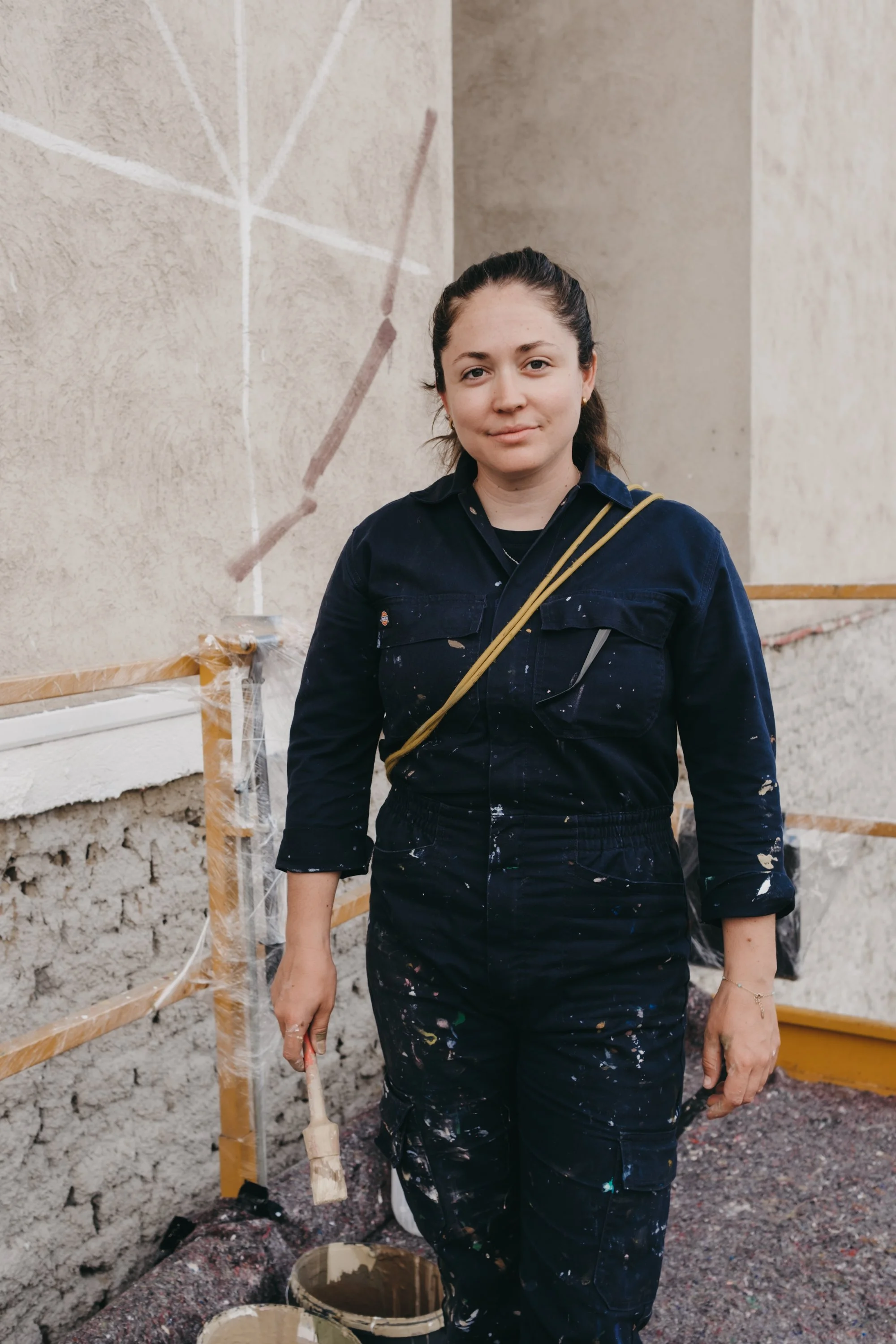
Virginia Bersabé
(spain)
Virginia Bersabé (Spain, 1990) holds a degree in Fine Art from the University of Seville.
Her painting practice takes place both in and outside the studio, ranging from gouache on paper to large canvases, as well as large-scale murals in public and private spaces. Her work centres on older women, their relationship with space, and the physical and pictorial manifestations of their memory and identity. Through her creative process, she explores a new dialogue, evolution and quest for the representation of women, alongside the technical possibilities of new contemporary pictorial languages.
A project that emphasises the immense human heritage and aesthetic power of old age. It is not only an aesthetic and personal challenge, seeking the subtlety and complexity of the discourse, but also a commitment to painting as a medium capable of containing and conveying emotion, as well as constructing form. Based on these principles, one of the main artistic objectives is to achieve a physical, artistic and emotional connection with elderly women and their private spaces through painting.
She has painted murals in countries such as Spain, France, Canada and Kosovo since 2017. She has also held solo and group exhibitions internationally featuring her studio work.
Since 2011, she has been working on *Perdidas en un cortijo andaluz* (Lost in an Andalusian farmhouse), a project involving the painting of murals on the walls of abandoned rural buildings in Andalusia, in which she combines her research into memory and women with abandoned architecture and the history of the Andalusian countryside.
Virginia on InstagramSuppoprted by: