
Calle libre abrOad | belgrade
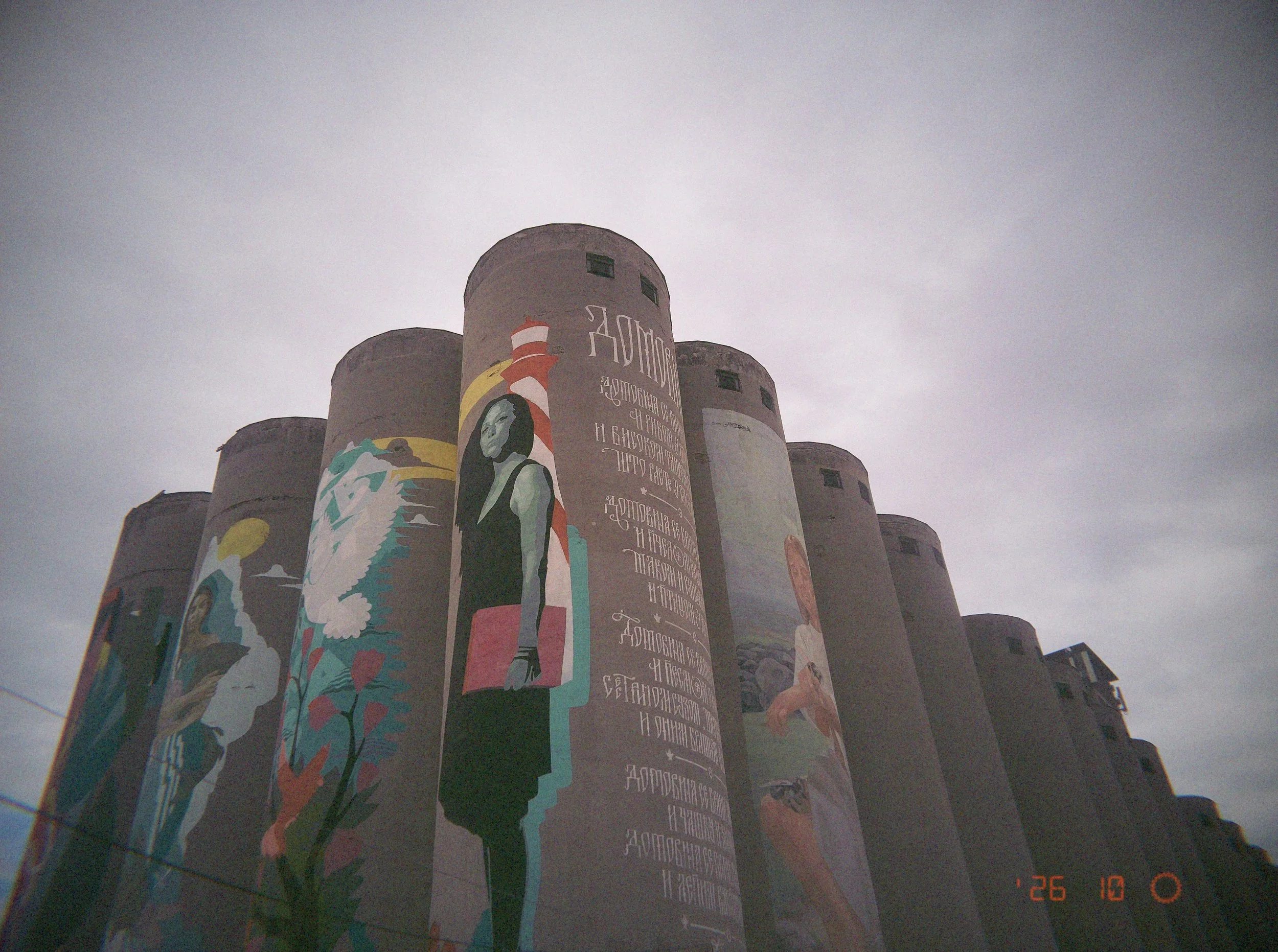
Between faded murals, brutalist architecture and a vibrant nightlife:
Exploring the street art scene of Serbia’s capital.
by Jakob Kattner
October, 2026
Every year, a handful of street art enthusiasts from the Calle Libre team set off to discover a new country. We travel to explore urban art, meet local initiatives and visit artists where their work comes to life. Our trips are an invitation to look more closely and read a city’s stories through its walls. For our fifth Calle Libre Trip, we headed to Belgrade – a city whose culture had remained largely unfamiliar to us until then. And yet, we weren’t complete strangers. Through our connection with Serbian artist Artez and the organisation Street Art Belgrade, we had already established some initial contacts.
A City as an Open-Air Gallery
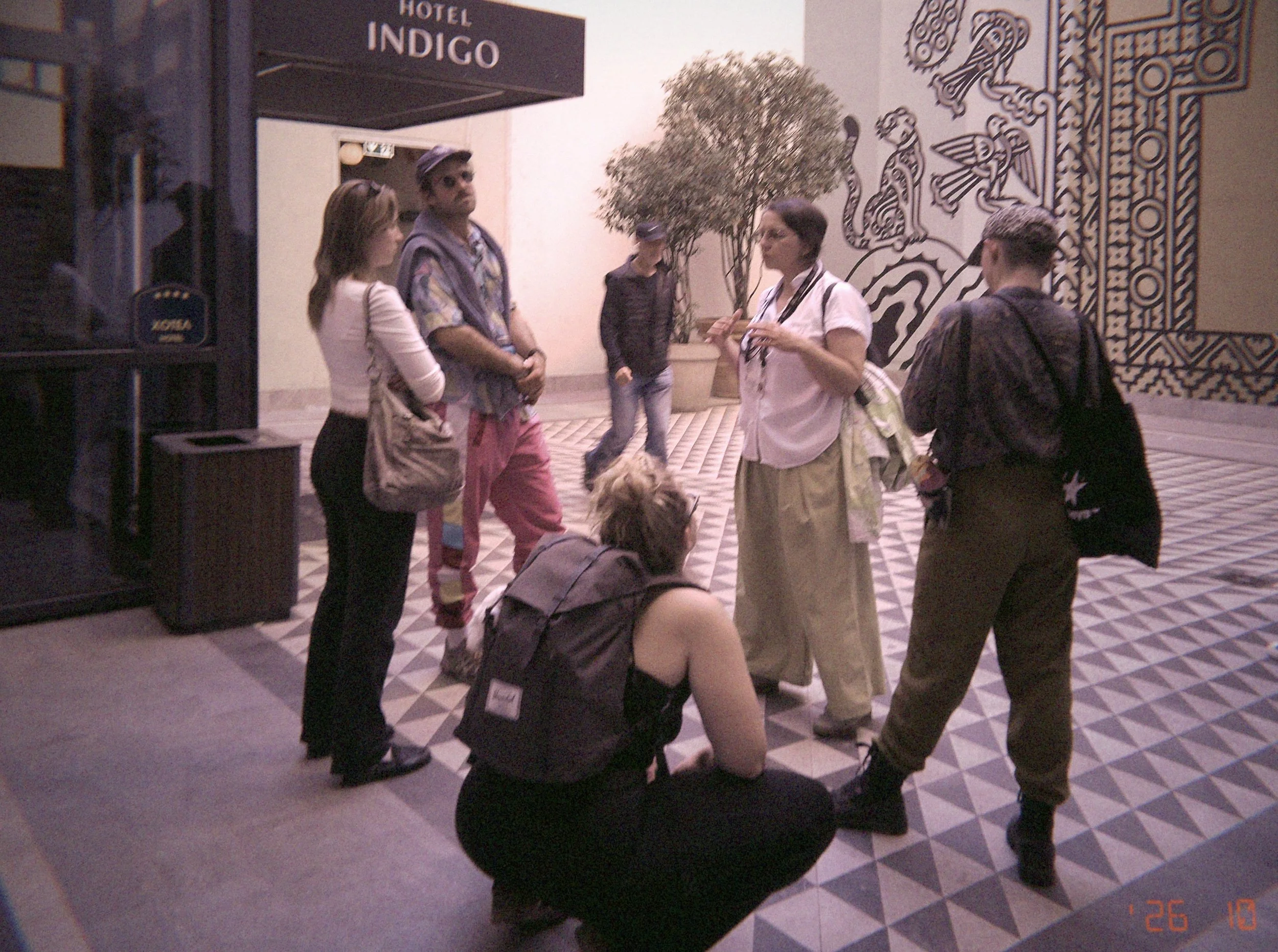
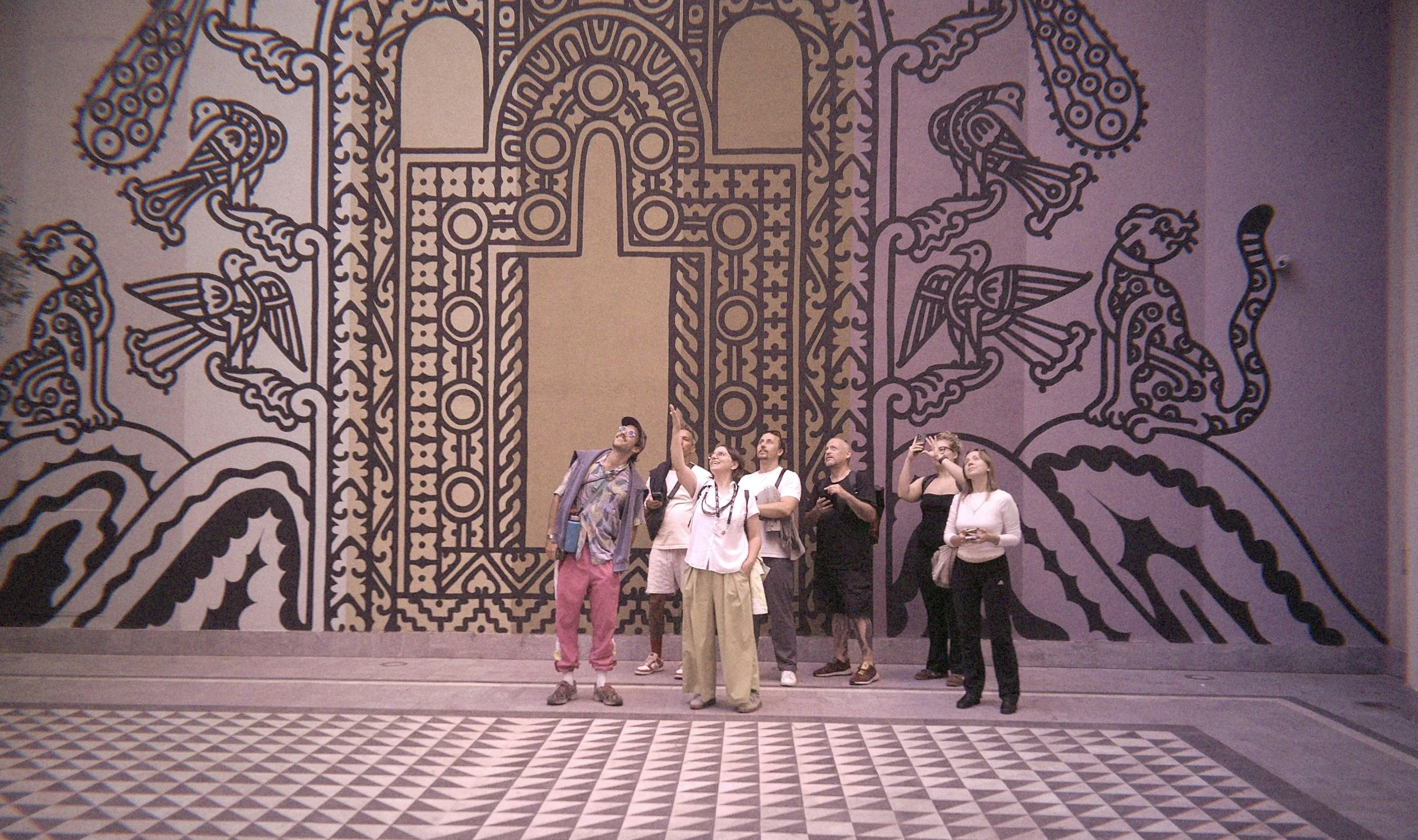
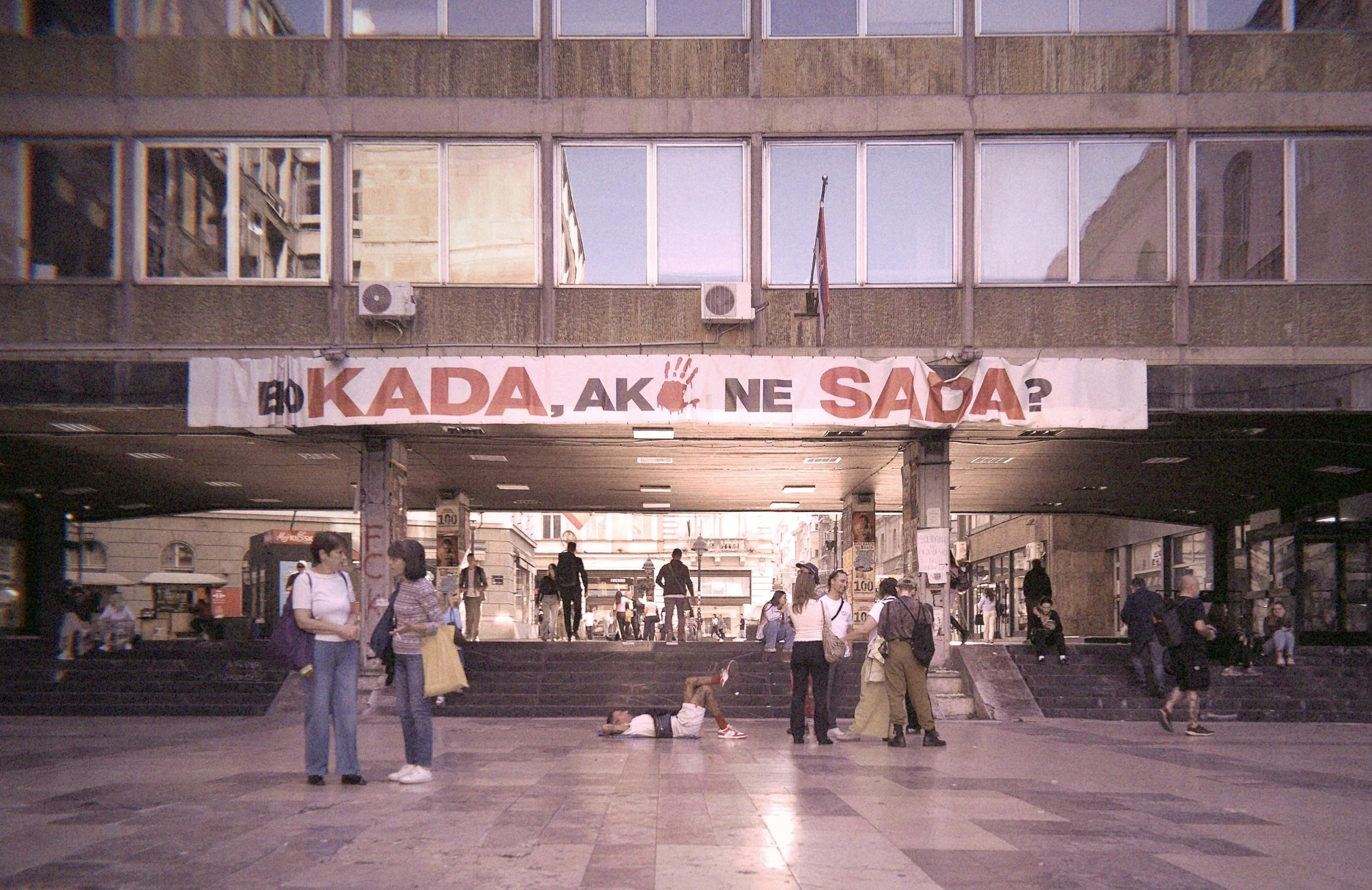
Together with the wonderful Ljilja from Street Art Belgrade, we explored Serbia’s capital. Our tour took us from the bustling area around Republic Square to the Design District, originally built as the Balkans’ first shopping mall. Today, the increasingly dilapidated complex tells a different story. Among vintage shops, improvised spaces and street art, a place has emerged where transience and creativity meet.
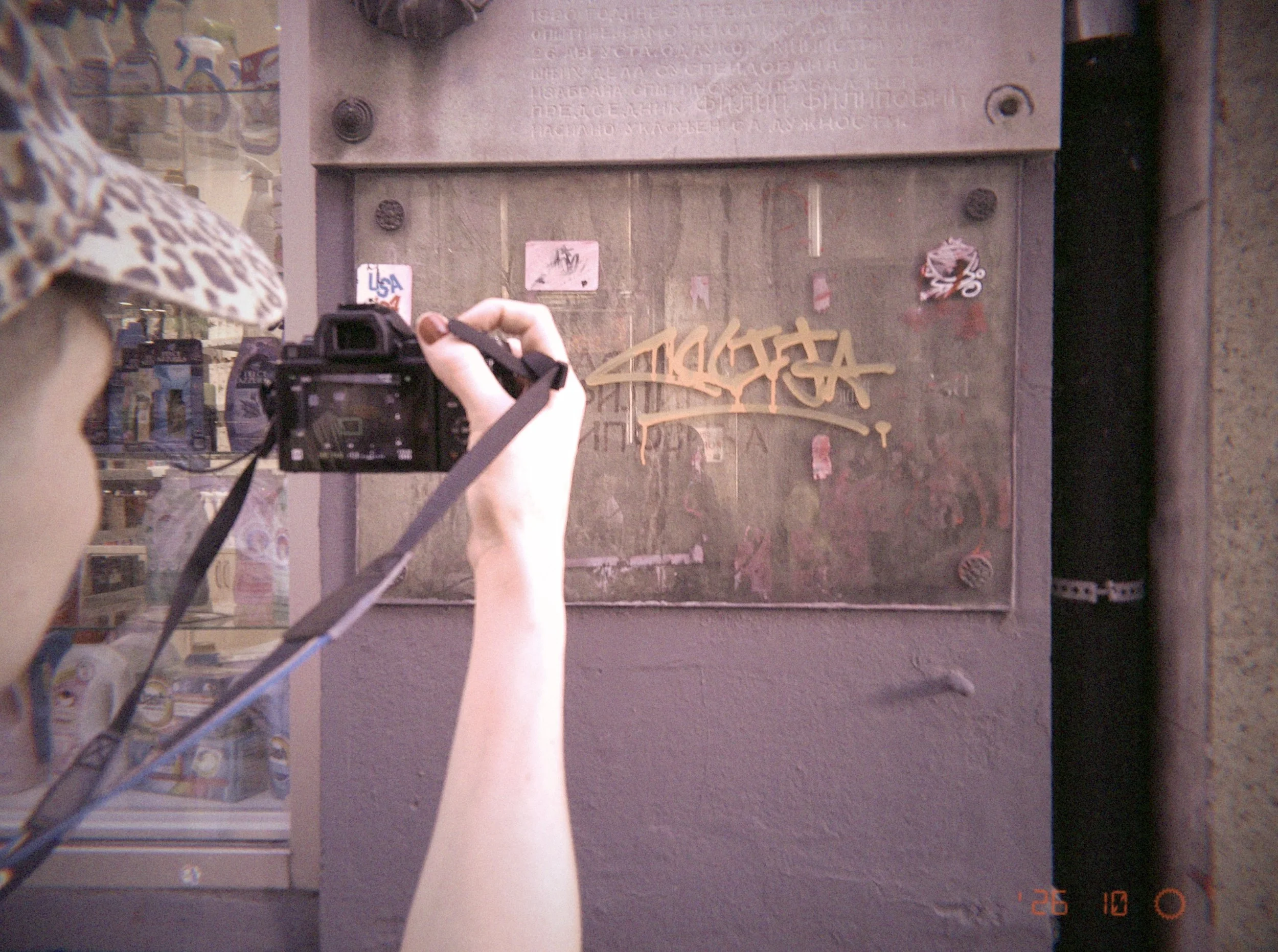
With wide eyes and cameras in hand, we also discovered the oldest known piece of graffiti in the city. It dates back to political election campaigning in the 1920s and features an appeal to vote for Filip Filipović, co-founder of the Communist Party of Yugoslavia and later mayor of Belgrade. A plexiglass panel protects this historical artefact from vandalism and the effects of time.
From Mosaics to Monumental Murals
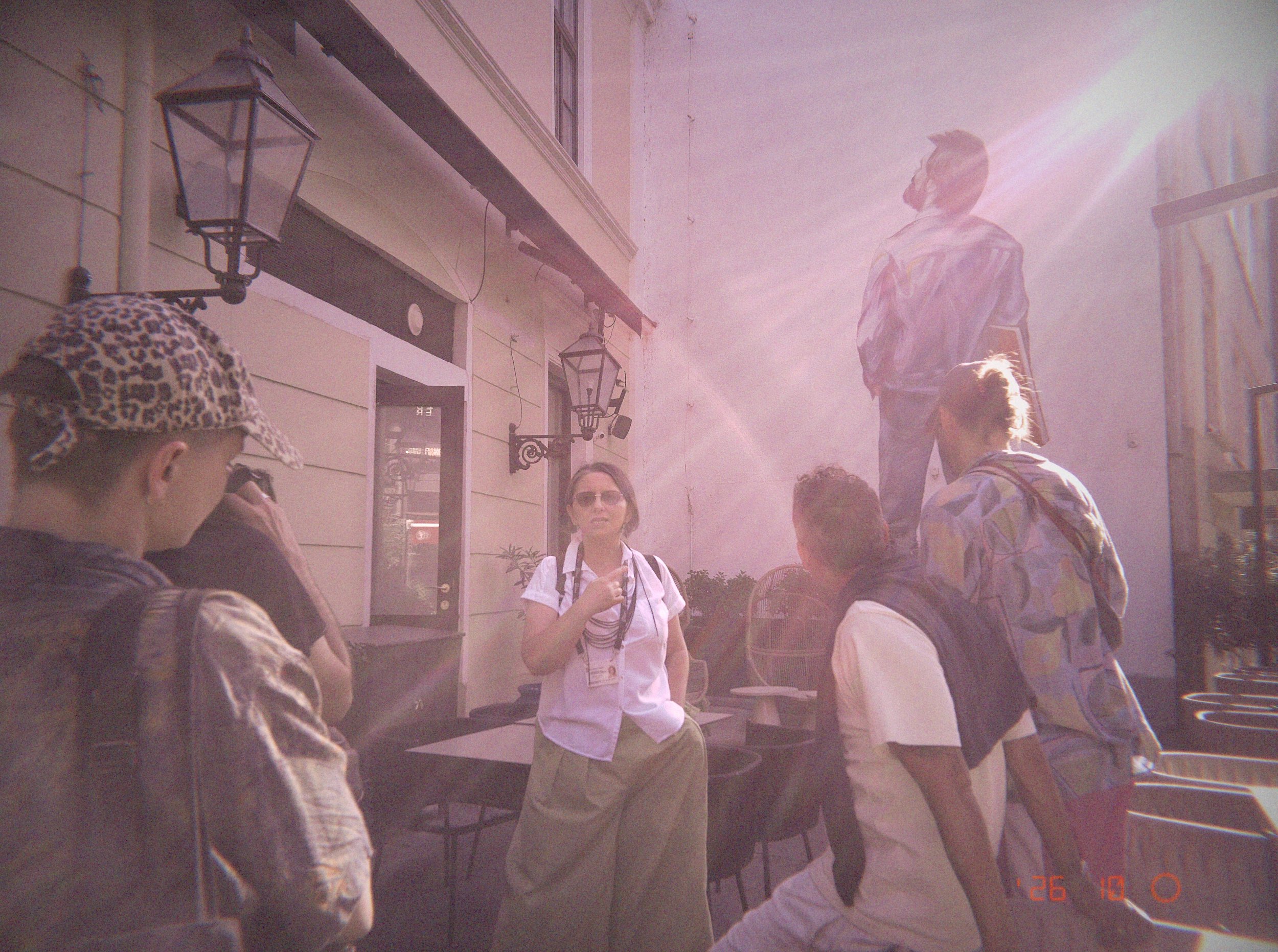
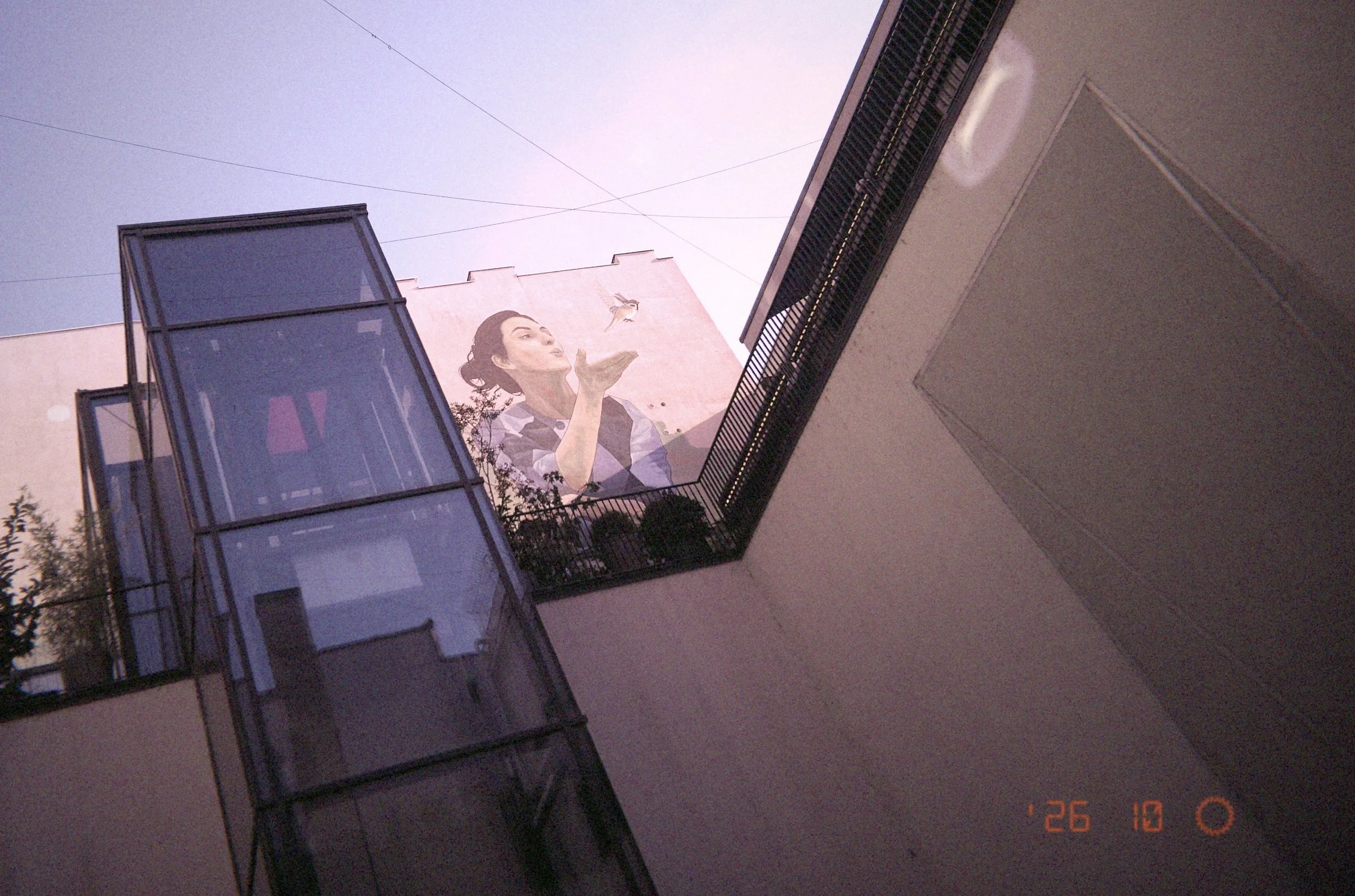
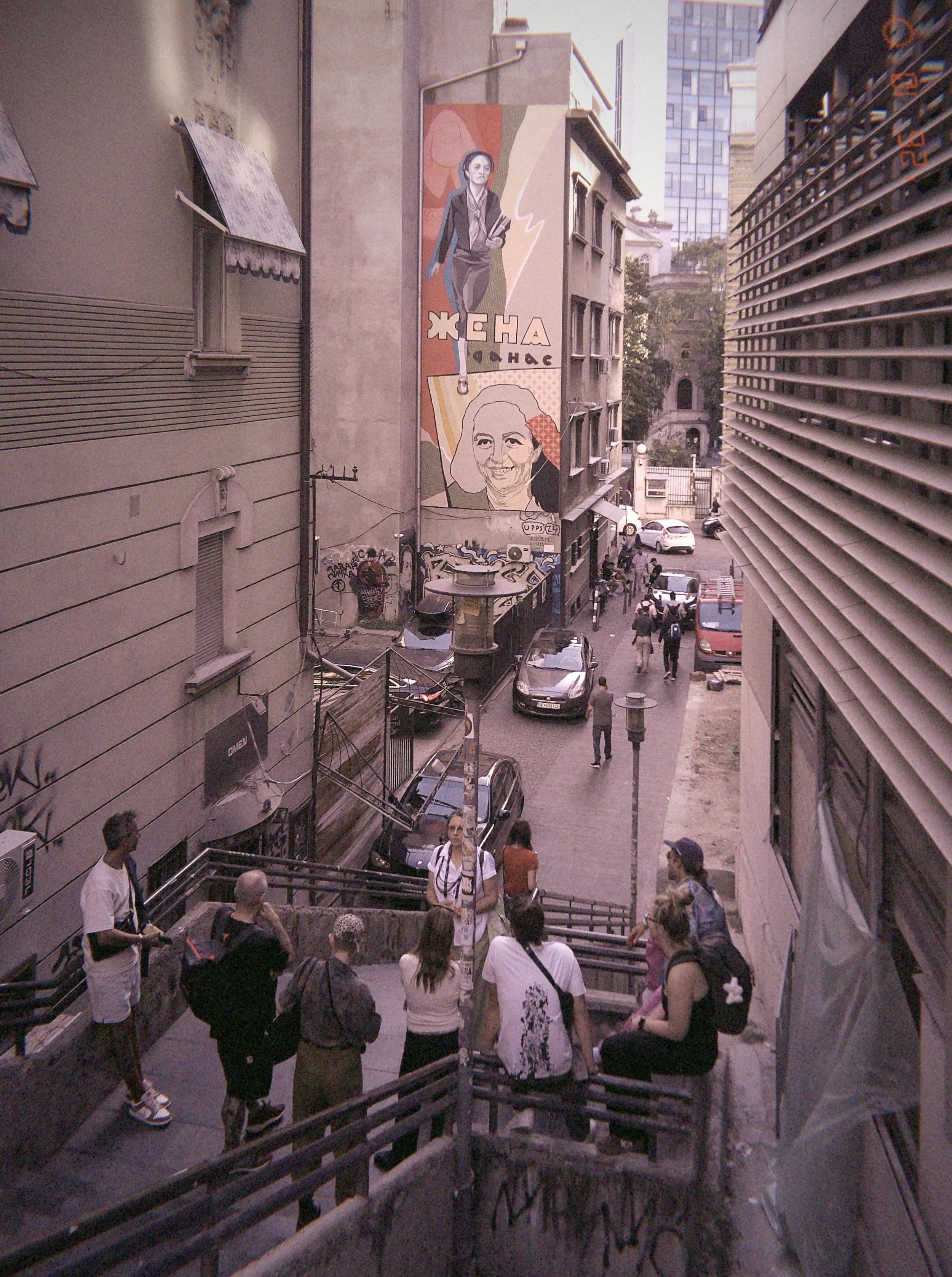
Belgrade’s street art scene is as diverse as the city itself. We encounter contemporary works by local artists such as TKV, Sobekcis and Artez, whose distinctive styles shape the urban landscape. Sculptural interventions, photorealistic imagery, tiny mosaics embedded in pavements and monumental murals – Belgrade has it all!
Time and again, we stop to admire paste-ups: abstract, expressive figures, vibrant colors and hand-printed screen prints found on utility boxes, old building façades and inconspicuous walls. Behind these works is British artist Wilko, whose artworks pop up all around the city.
When Walls Preserve Stories
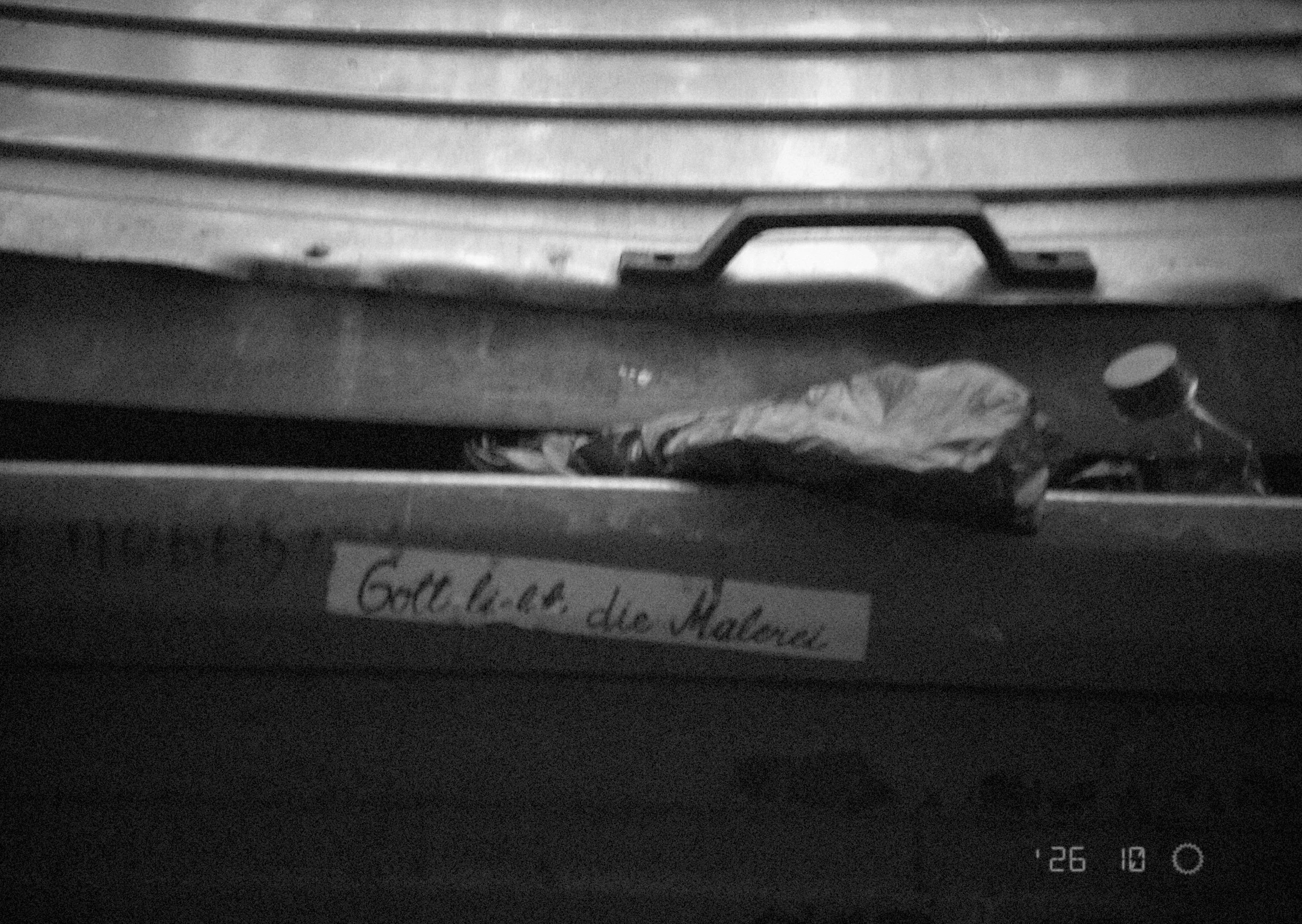
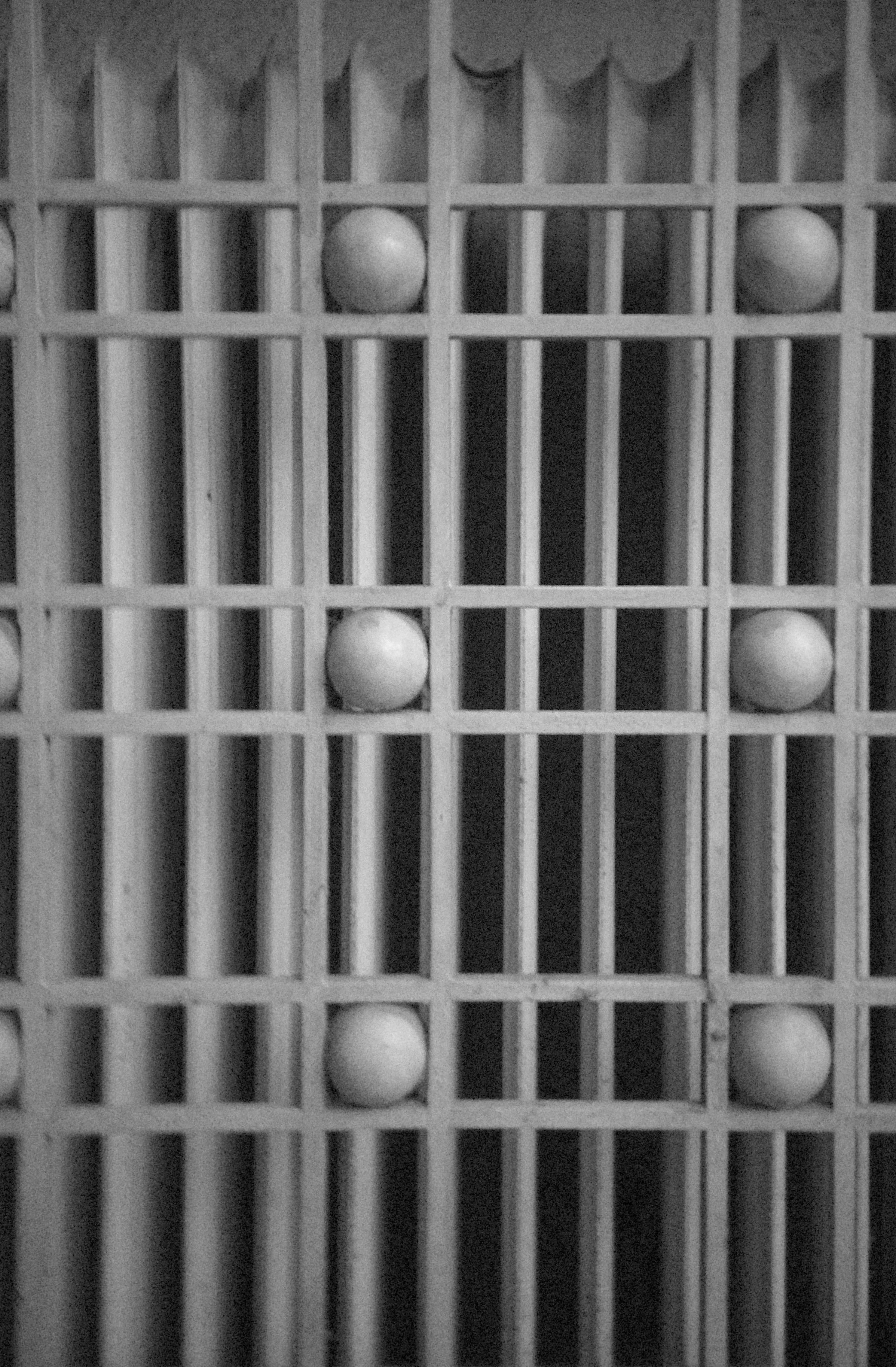
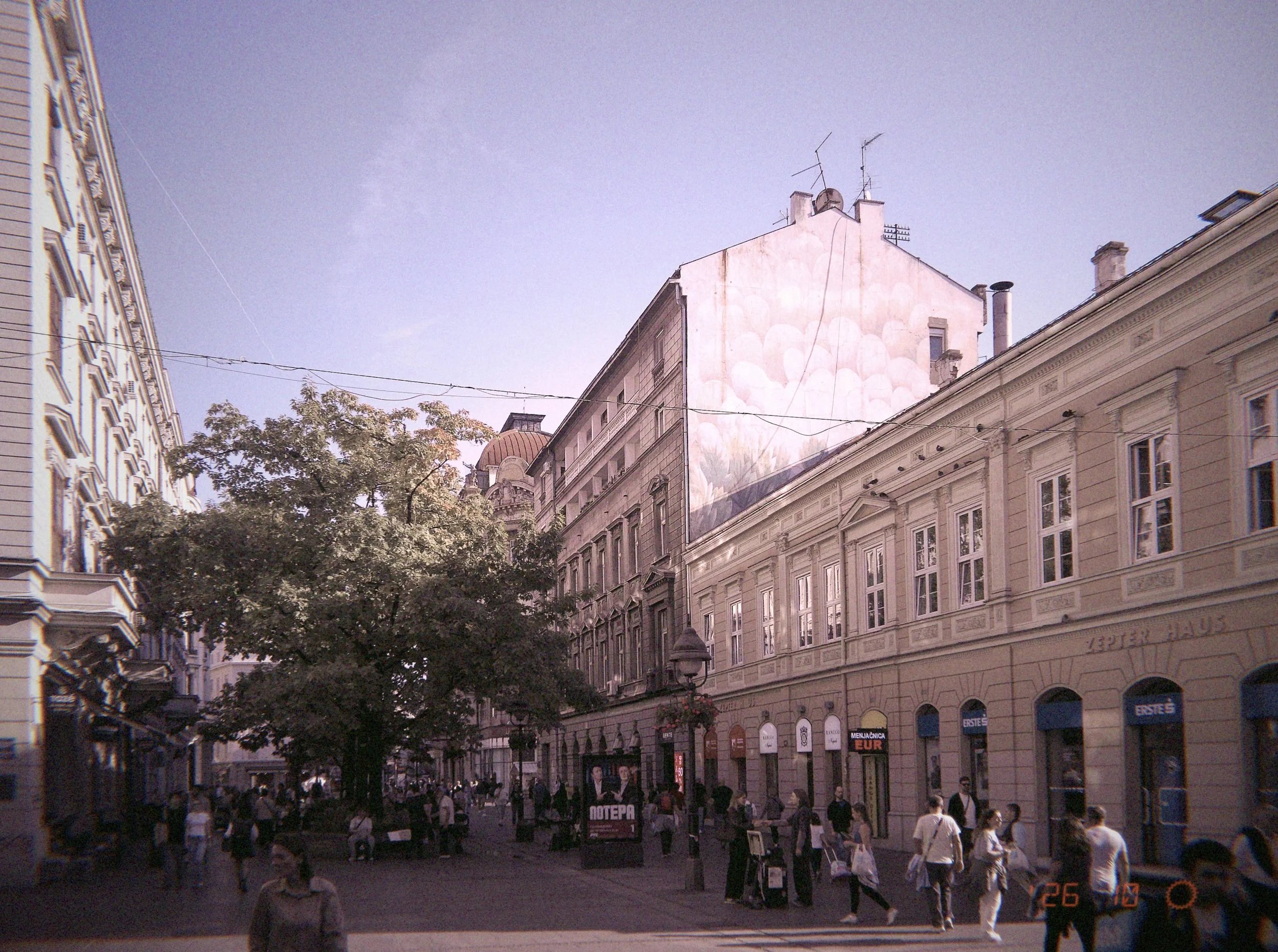
Along Knez Mihailova, one of Belgrade’s main shopping streets, we come across partially restored murals created in the 1980s in connection with the Academy of Fine Arts. Over the decades, their colours have lost some of their vibrancy. And yet, the images continue to make an impact. Four decades have left their mark, but the art remains.
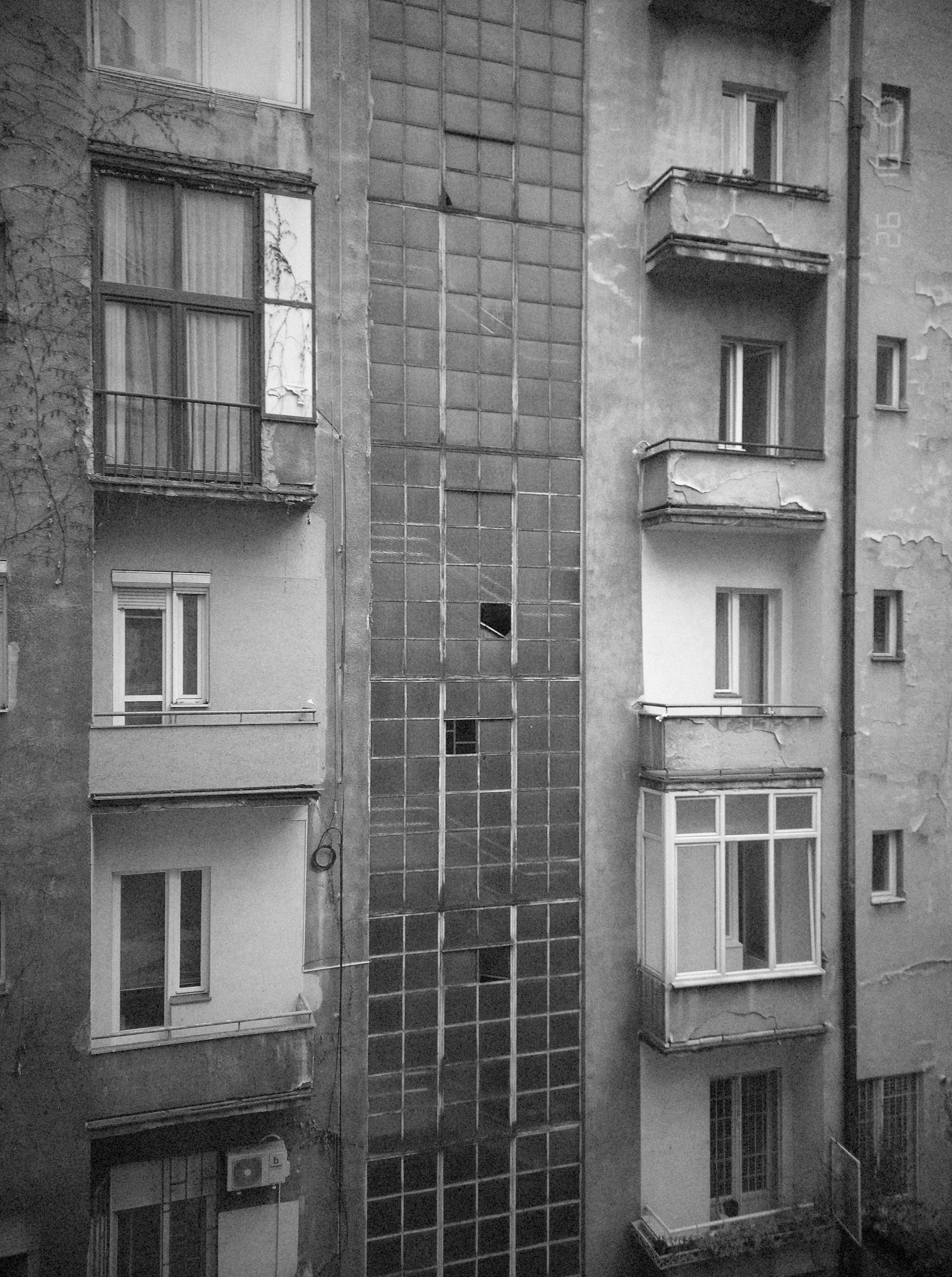
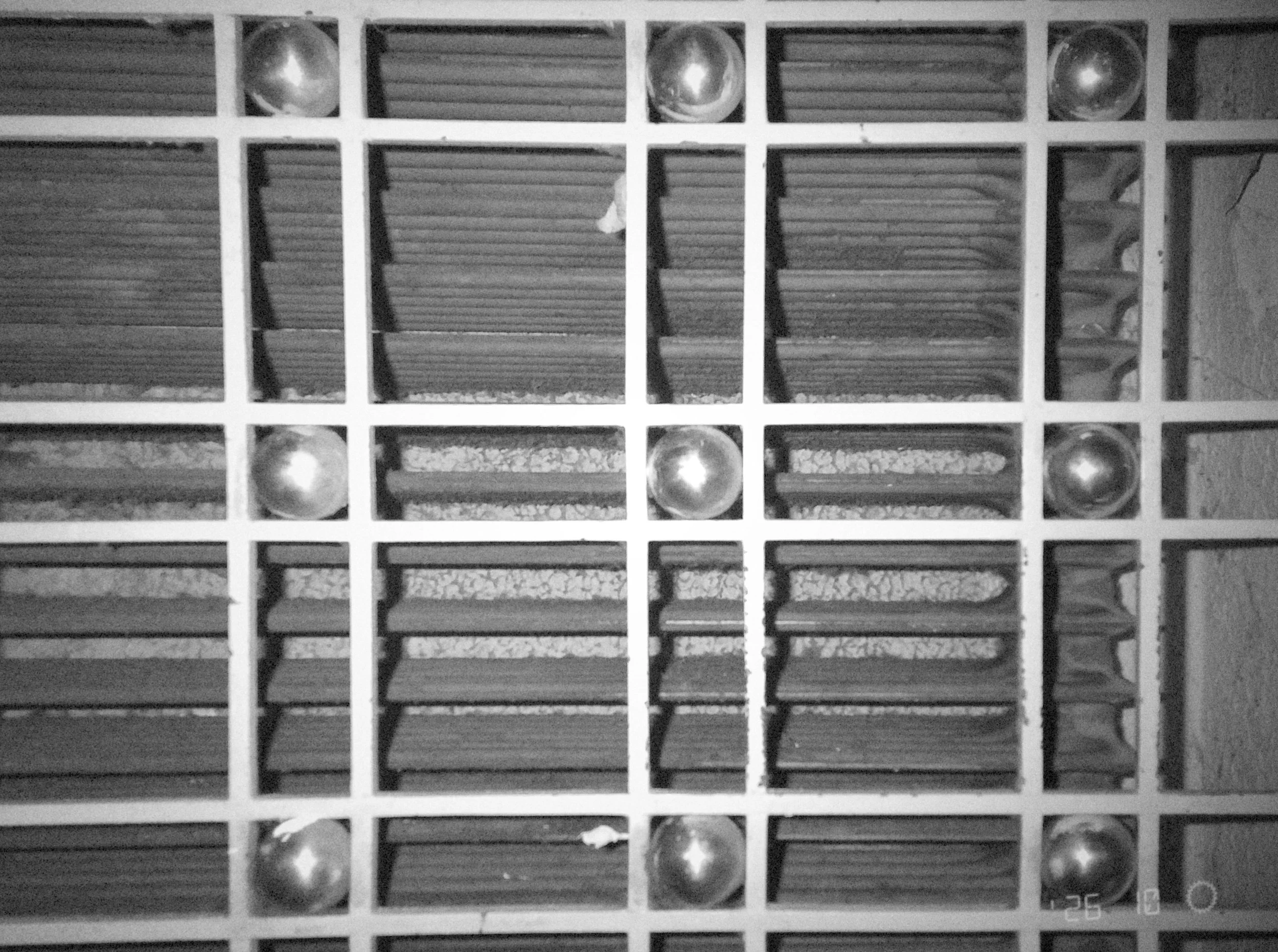
These colourful works stand in striking contrast to Belgrade’s sometimes brutalist architecture. Concrete, monumental façades and clean geometric forms lend many streets an almost surreal austerity. In some buildings, the city’s political past still seems to reverberate – echoes of Tito whisper through the walls.
Cetinjska: From Brewery to Cultural Hotspot
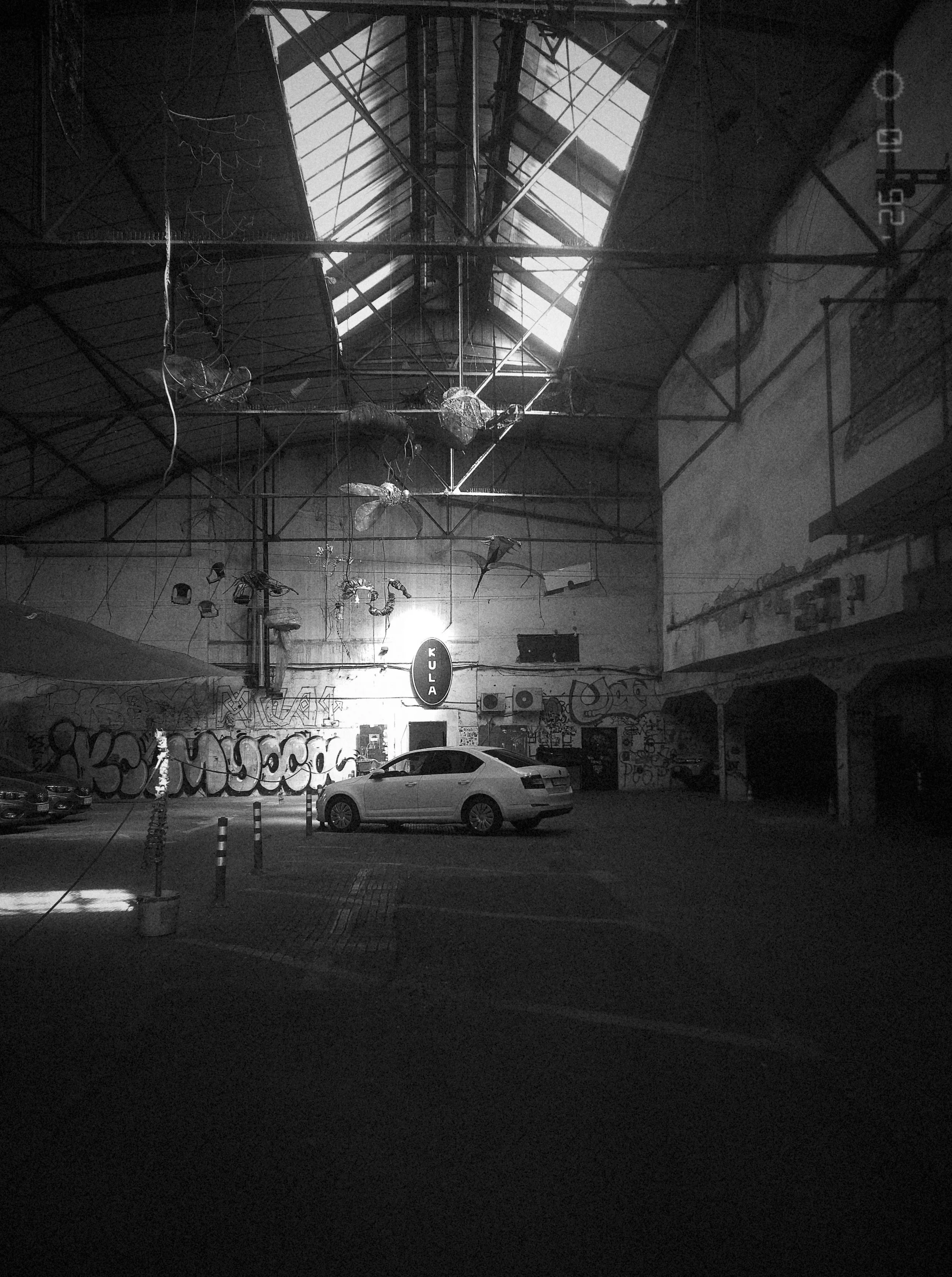
Another highlight of our trip is Cetinjska. On the grounds of a former brewery, a lively meeting place has developed where bars, cafés, restaurants, murals, tattoo studios and galleries come together. Surrounded by old walls and new ideas, the area has an atmosphere that feels both laid-back and full of energy.
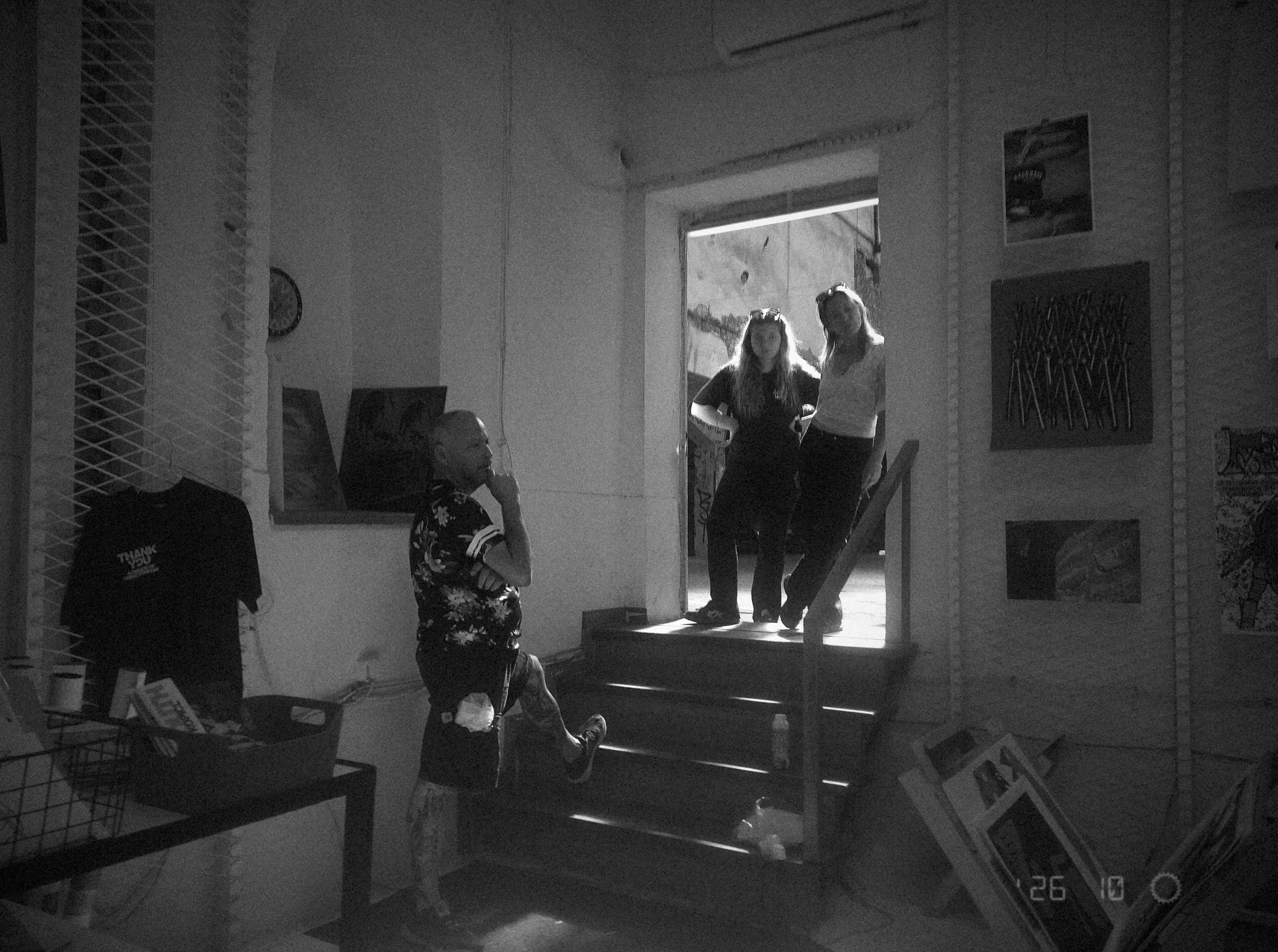
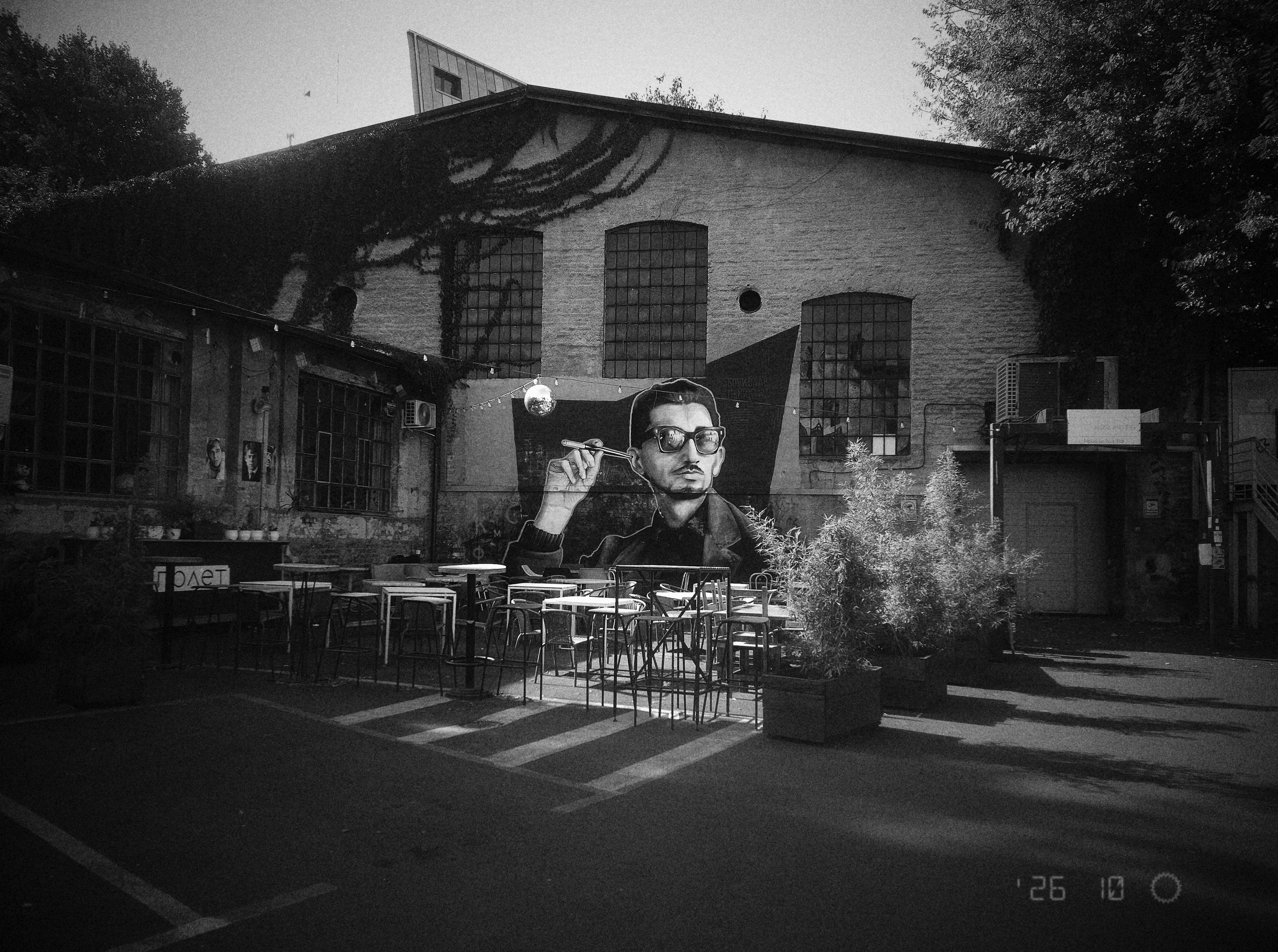
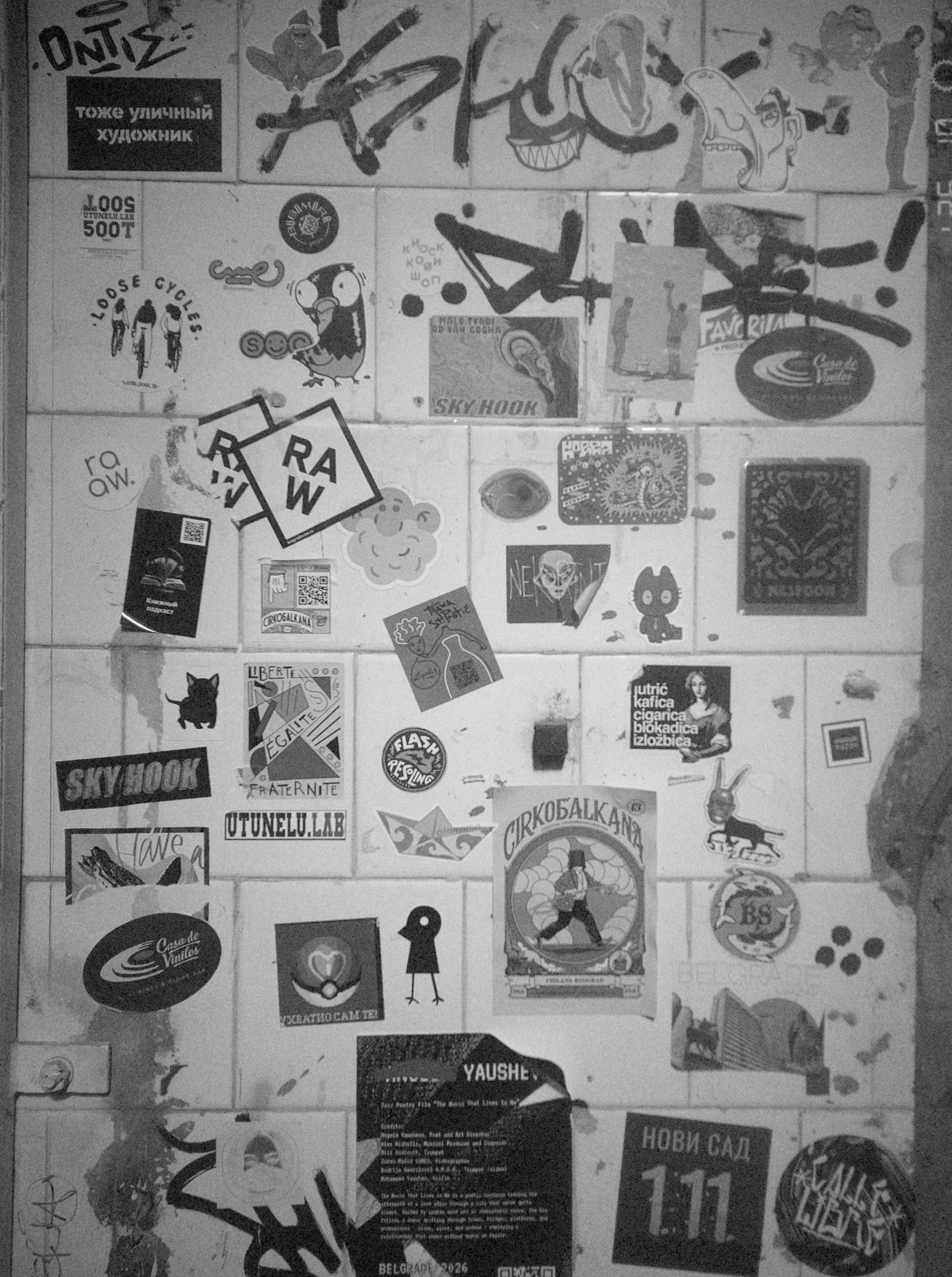
Here, we visit Kula Gallery, housed inside the historic clock tower. The small shop is a treasure trove for anyone passionate about independent art and design. Screen prints, drawings, clothing, postcards, keychains and books by local and international artists, illustrators and independent art initiatives fill the shelves.
Upstairs, three smaller exhibition spaces host a changing programme of solo and group exhibitions. Places like this are what make a city particularly interesting to us. They show how existing structures can be transformed into new spaces for creativity and exchange – how a former industrial site can become a meeting point for creative minds.
Ćevapi, Rakija and Long Nights
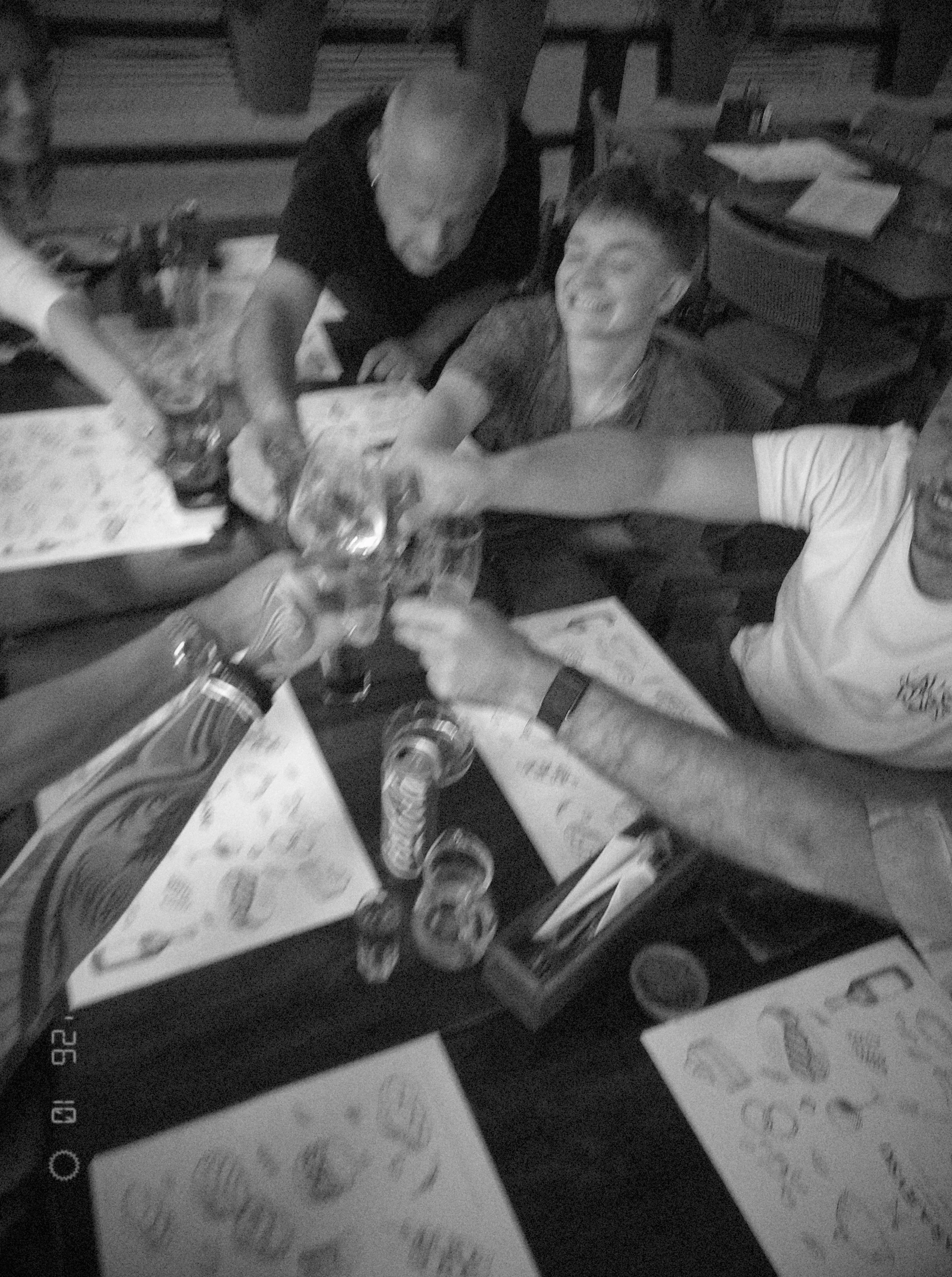
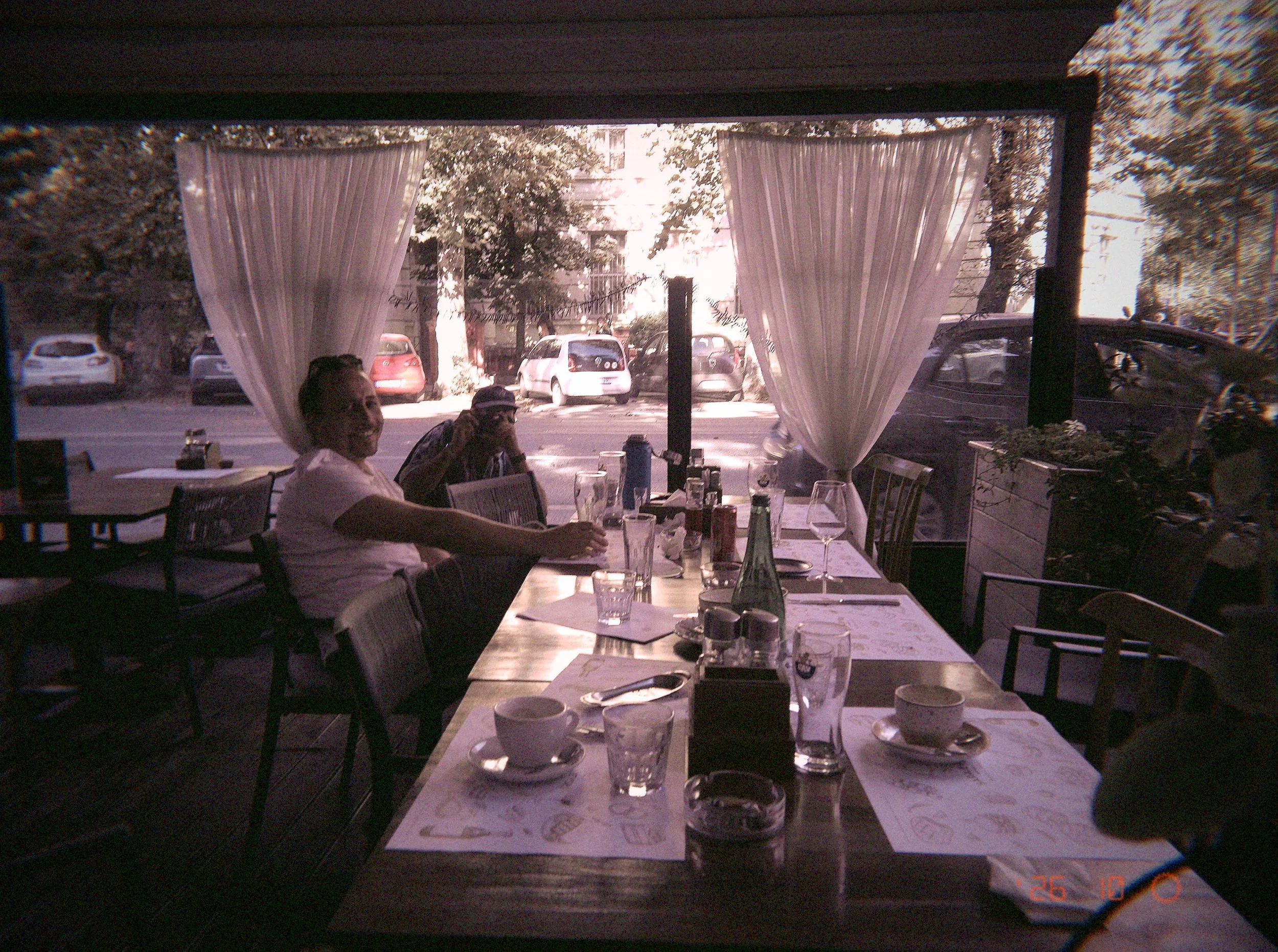
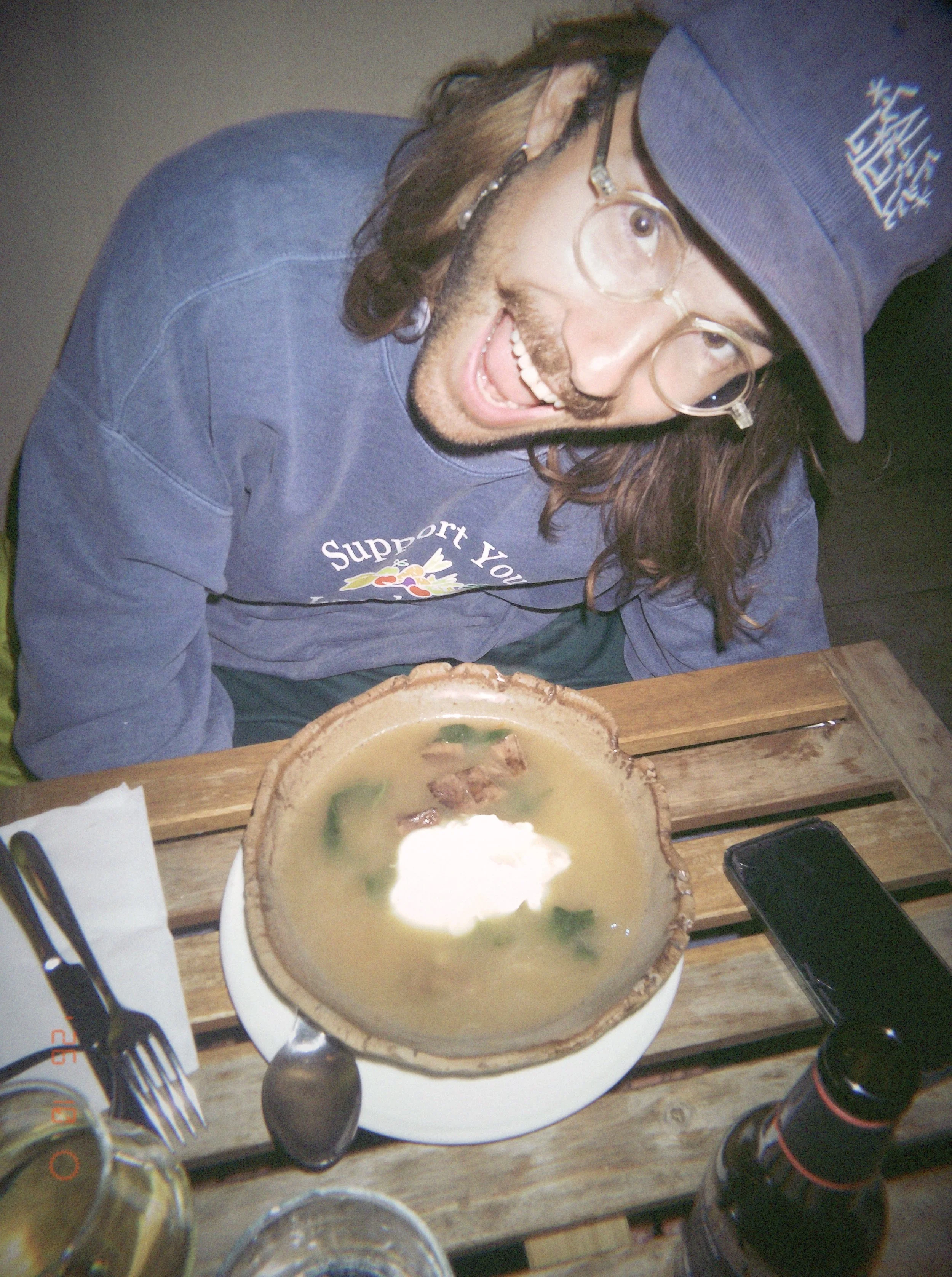
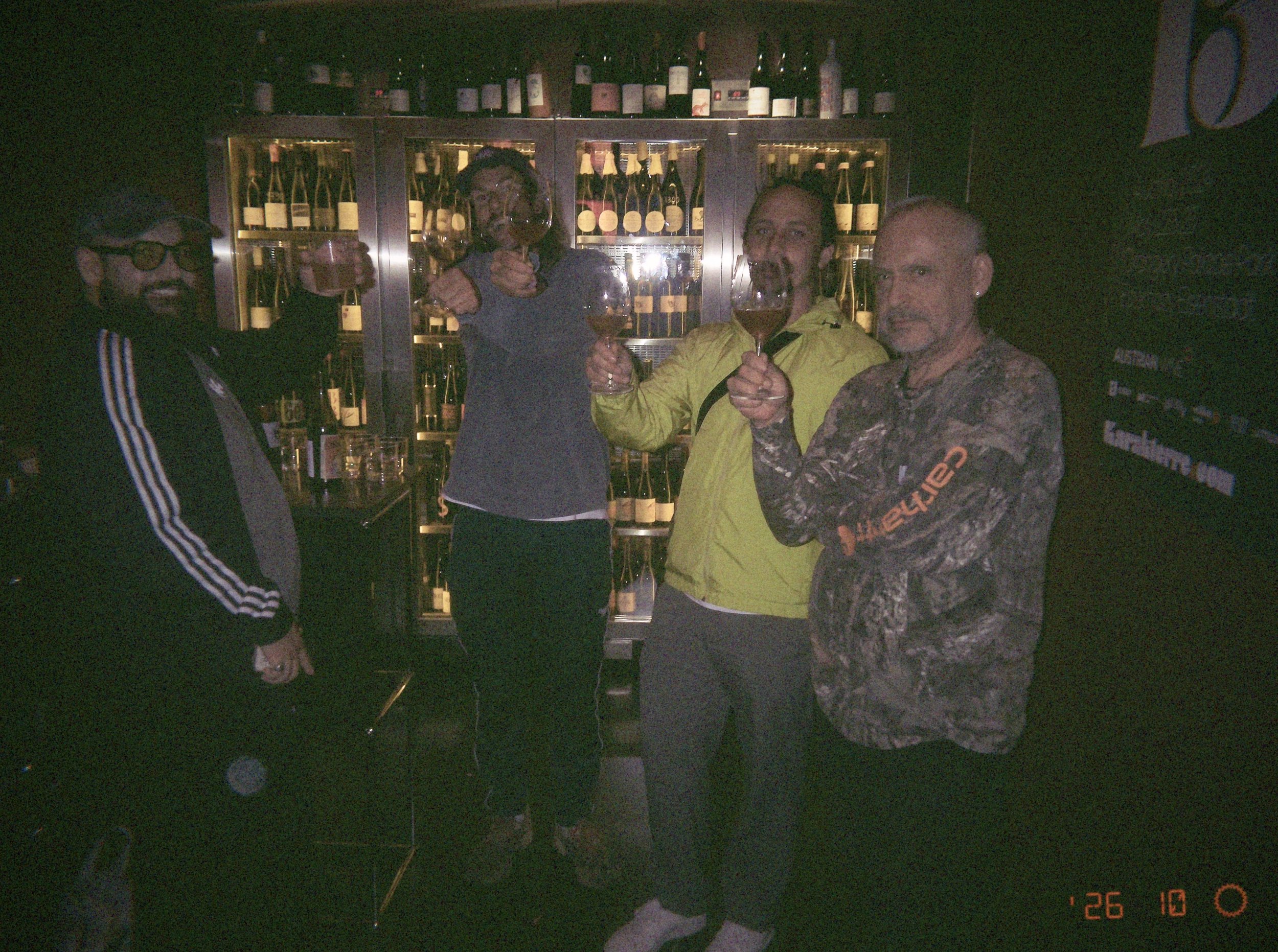
Between our explorations of the city, we also discover the culinary and sociocultural sides of Serbia’s capital.
Our plates are filled with ćevapi, pljeskavica and Šopska salad. There’s rakija to go with it – and always another opportunity to raise a glass together. The food is hearty, the hospitality warm, and the evenings short.
Belgrade combines its socialist architectural heritage with a modern, dynamic urban lifestyle. As soon as darkness falls, the energy shifts to bars, concert venues and clubs.
P.S. we also visited the street art capital of Serbia — Čačak — and will tell you more in the next blog!